
The Truth About Noise Reducing Windows in DFW
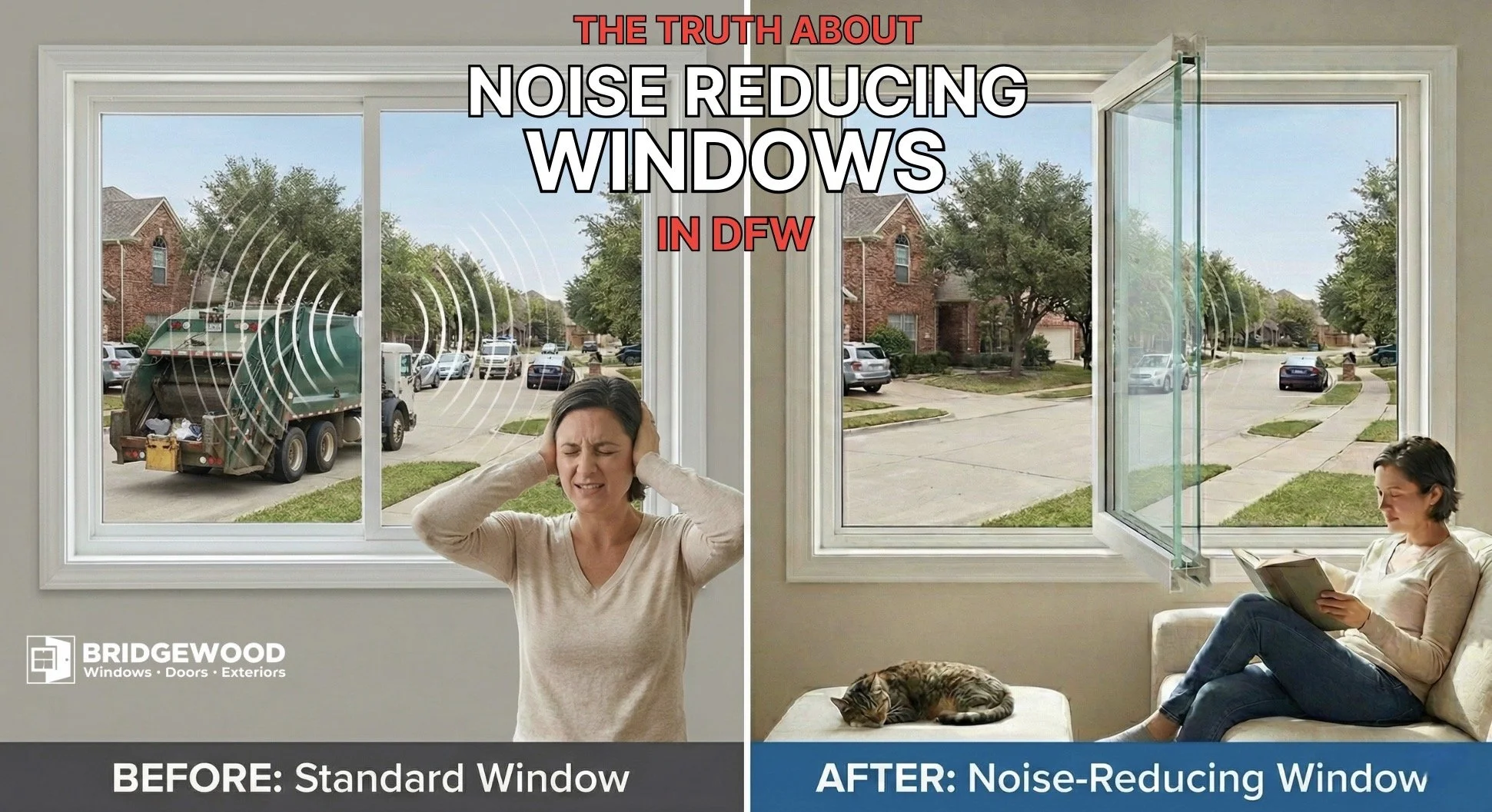
If you live in Dallas-Fort Worth, you know the sound of progress. It sounds like construction crews at 7:00 AM, jets taking off from Love Field, and the constant hum of traffic on 635 or the Tollway.
For many North Texas homeowners, noise pollution isn't just an annoyance, it’s a disruption to sleep, work, and sanity.
You may have heard about "soundproof" windows. But before you invest in an upgrade, you need to separate the marketing hype from the acoustic science. Here is everything DFW homeowners need to know about reducing noise through high-performance windows.
The "Soundproof" Myth vs. Reality
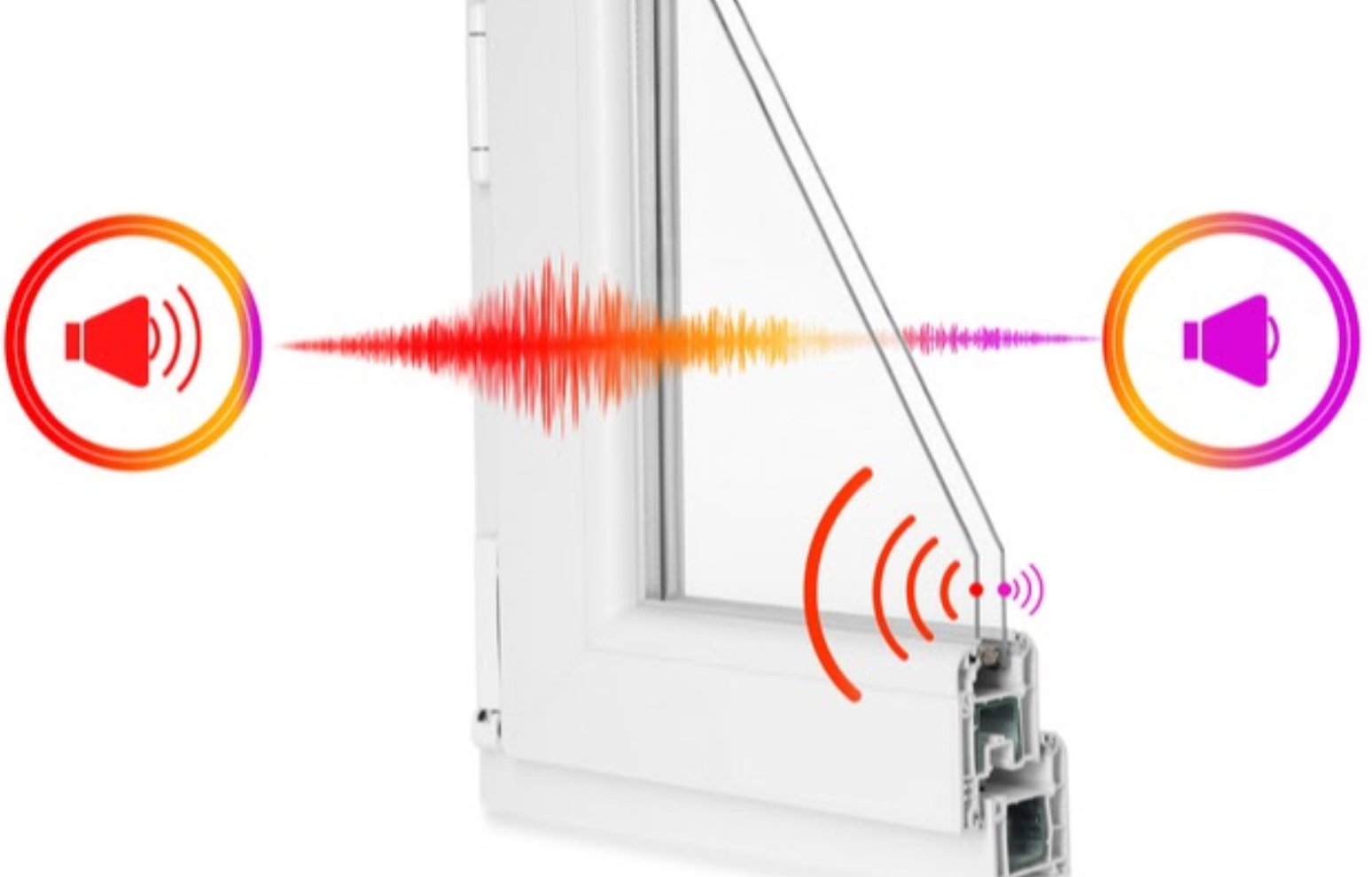
First, let’s be honest: No residential window is 100% soundproof. If a contractor tells you they can make your home "silent," they are lying.
However, the right windows can reduce exterior noise by 50% to 75%. This is the difference between hearing a loud siren scream past your house and hearing a muffled hum that barely registers.
Understanding the Science: What is STC?
To understand how we block noise, you need to know about STC (Sound Transmission Class).
• Single-Pane Window: STC ~18-20 (You can hear a normal conversation through it).
• Standard Double-Pane: STC ~26-28 (Muffles traffic, but loud noises still punch through).
• Noise-Reducing Window: STC ~32-35+ (Substantially blocks loud traffic and aircraft noise).
The higher the number, the quieter your home.
How We Stop the Noise (The Bridgewood Strategy)
Standard double-pane windows act like a drum—vibrations hit the outer glass, travel through the air gap, and vibrate the inner glass, passing the sound right into your living room.
To break this chain, we use three specific engineering techniques:
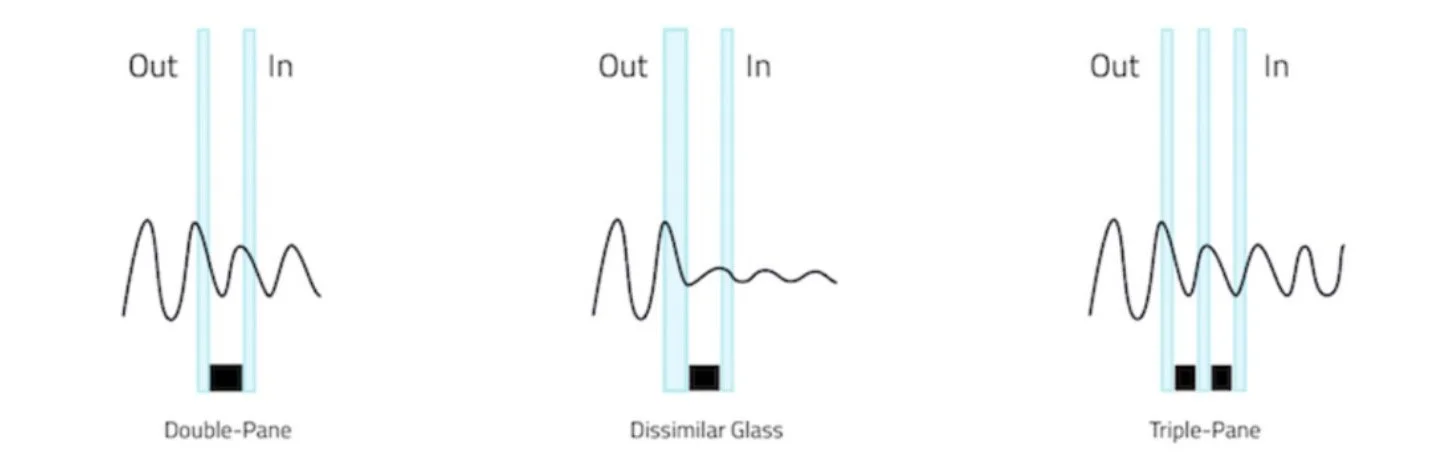
This is the "secret weapon" of acoustic windows.
Instead of using two panes of glass that are the same thickness (e.g., 3mm and 3mm), we use one thick pane (e.g., 6mm) and one thin pane (e.g., 3mm).
• Why it works: Different thicknesses vibrate at different frequencies. The sound waves that make it through the first pane are "out of sync" with the second pane, causing the wave to collapse before it enters your home.
2. Laminated Glass (The "Windshield" Effect)
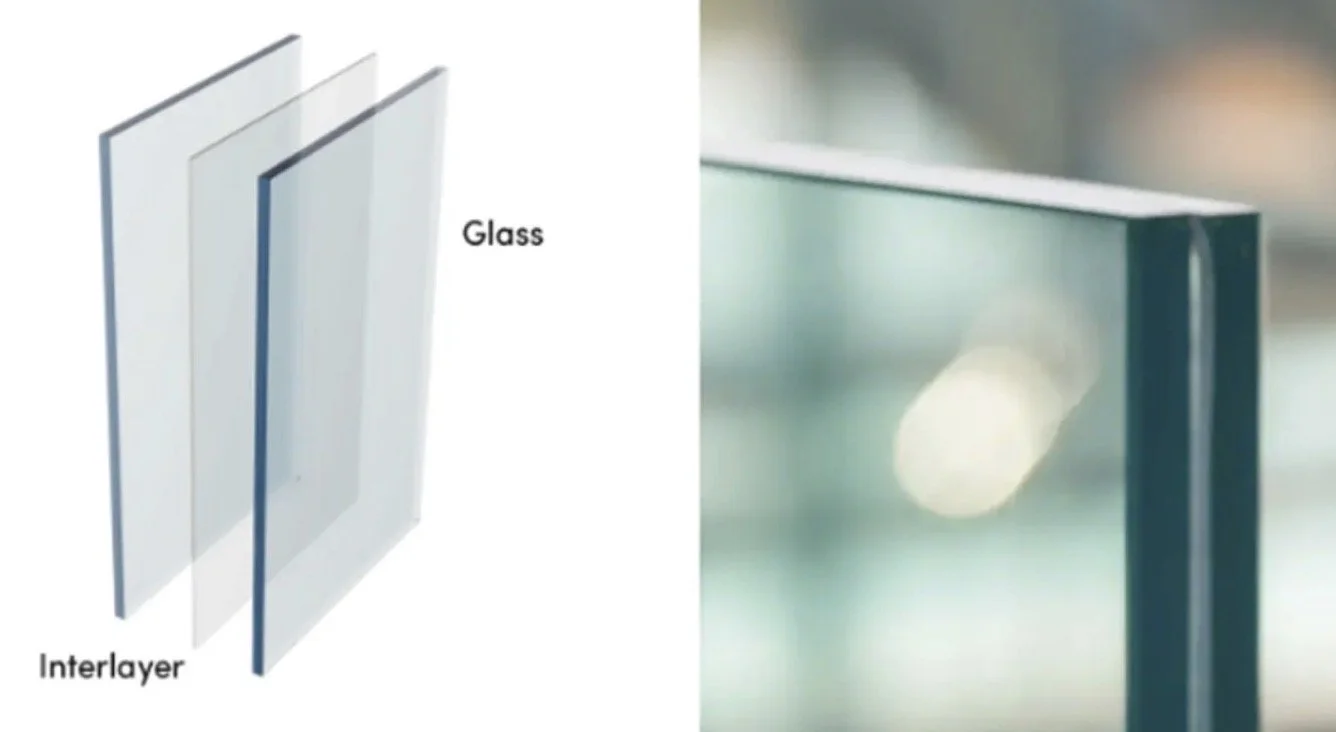
You know how quiet a luxury car is on the highway? That’s because of laminated glass.
We sandwich a layer of clear PVB (Polyvinyl Butyral) resin between two sheets of glass. This plastic interlayer acts as a shock absorber for sound waves, deadening the vibration instantly. This is the gold standard for homes near DFW Airport or railroad tracks.
While primarily for energy efficiency, the Argon gas between the panes is denser than regular air, providing a slight additional buffer against sound transfer.
Is Triple-Pane Better for Noise?
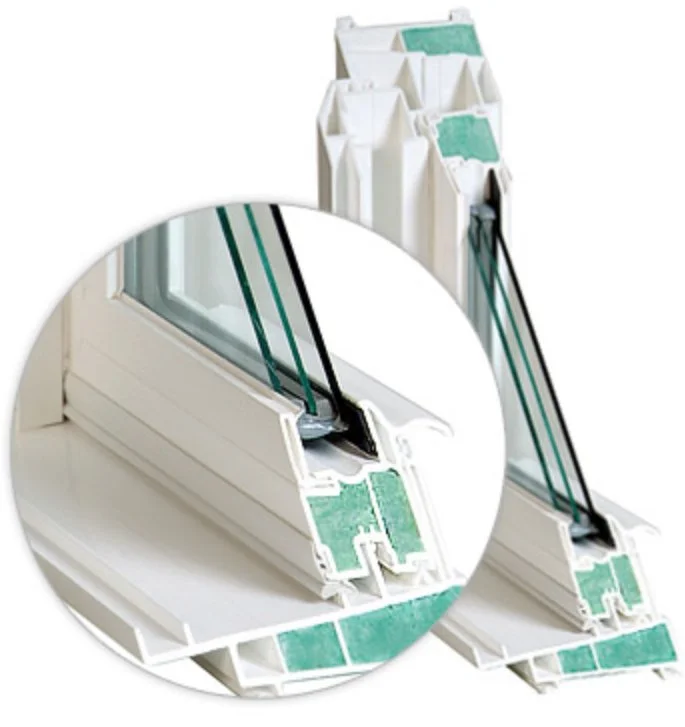
Surprisingly, not always.
While triple-pane windows are the king of energy efficiency, the extra pane of glass can sometimes create an "echo chamber" effect for certain sound frequencies if not engineered correctly.
For pure noise reduction, a Double-Pane Laminated window often outperforms a standard Triple-Pane window and usually costs less.
The Verdict: Is It Worth the Investment?

If you can hear your neighbor’s lawnmower while you’re trying to watch a movie, or if highway noise is waking you up at night, the answer is yes.
Upgrading to noise-reducing windows does three things:
1. Restores Calm: It turns your home back into a sanctuary.
2. Increases Privacy: If sound can’t get in, it also can’t get out.
3. Boosts Value: In a noisy metroplex like DFW, "quiet" is a premium selling point.
Ready to lower the volume?
You don't have to move to the country to get some peace and quiet. Let us design a custom noise-reduction package for your home.
[Contact Bridgewood Exteriors for a Free Acoustic Consultation]