
The "Texas Shift": Why Your Windows and Doors Are Sticking (And How We Fix It)
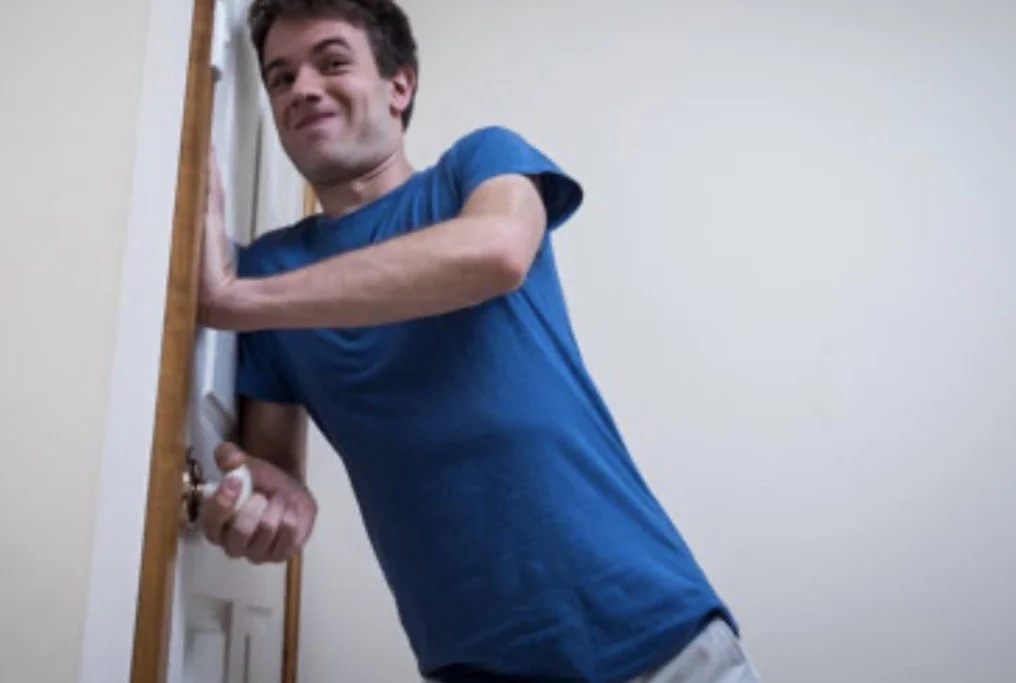
It starts small. First, the deadbolt gets a little tough to turn. Then, the bathroom window requires a two-handed shove to close. Finally, your back patio door refuses to latch altogether.
If you live in Dallas-Fort Worth, your house isn't haunted, it’s just moving.
In North Texas, "foundation shift" is practically a season of its own. But while cracking drywall is ugly, sticking windows and doors are a functional nightmare that puts your home’s security and energy efficiency at risk.
Here is why your home is moving, how to tell the difference between "humidity" and "foundation failure," and how Bridgewood Exteriors installs windows that handle the shift.
The Culprit: DFW’s "Gumbo" Soil
The soil in North Texas (specifically in areas like Las Colinas, Rowlett, and Frisco) is largely expansive clay. Think of this soil like a sponge:
• When it rains: The clay drinks up water and expands, pushing your foundation up.
• When it’s dry (July–August): The clay shrinks and cracks, causing your foundation to settle down.
This constant "heaving" puts immense pressure on your home’s frame. When the frame moves, the square openings that hold your windows and doors become parallelograms. This is called "racking."
The Checklist: Is It Humidity or Foundation?
Wood swells with moisture, so sometimes a sticking door is just a humidity issue. Here is how to tell if it’s structural:
1. Look at the "Reveal"
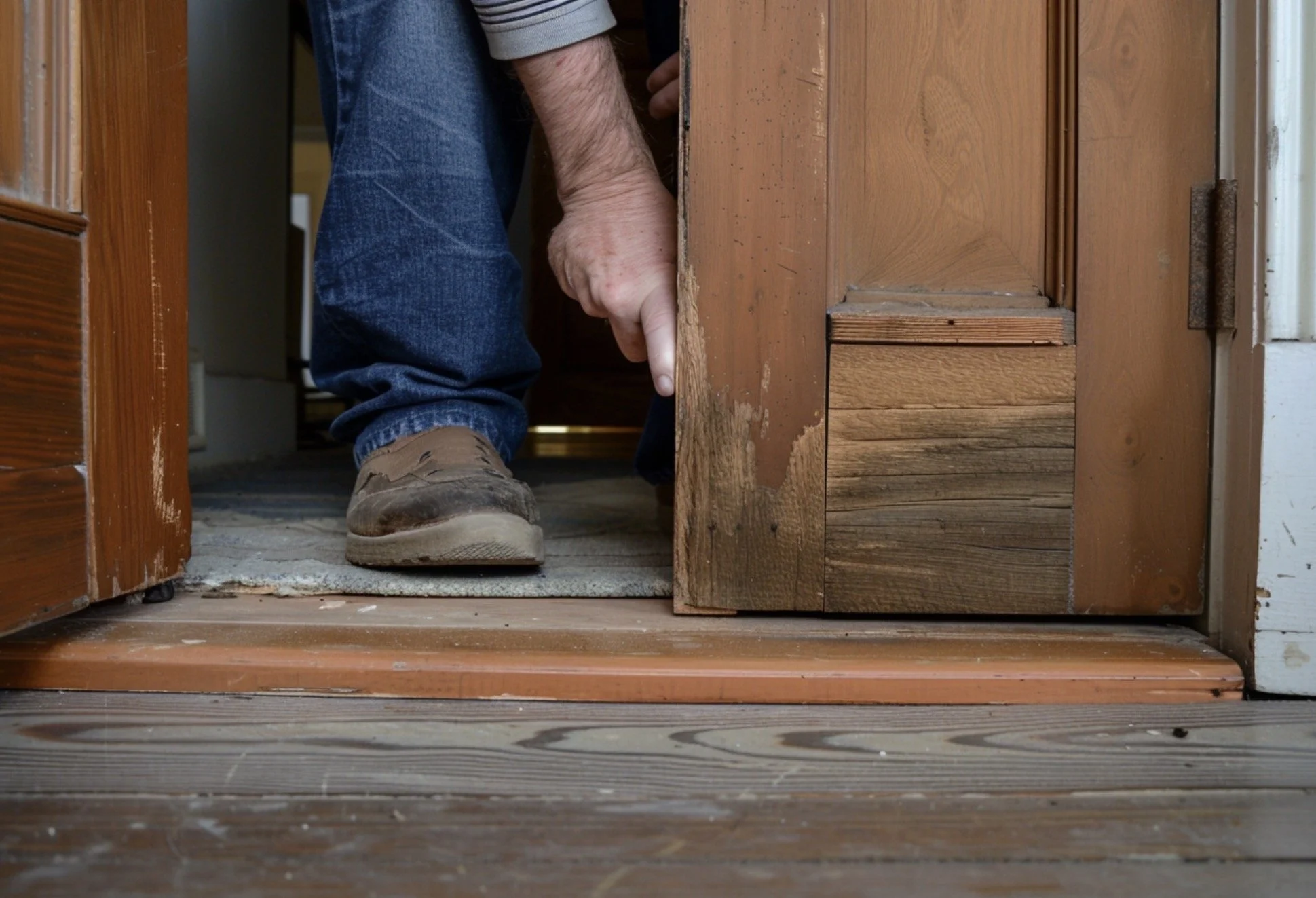
Close your door and look at the gap between the door slab and the frame (the "reveal"). It should be even all the way around.
• The Sign: If the gap is wide at the top-left but the door is rubbing against the frame at the top-right, your frame is out of square.
2. Check for "Step-Stair" Cracks
Walk outside and look at the brick near the sticking window.
• The Sign: If you see zigzag cracks in the mortar resembling a staircase, the wall has shifted, taking your window frame with it.
3. The Window "Smile" or "Frown"
• The Sign: If you look at the bottom of your window sash and it looks bowed (smiling or frowning), the settling house is crushing the window frame. This breaks the thermal seal, leading to fogged glass.
Why "Just Sanding It Down" is a Mistake
When a door sticks, the handyman’s instinct is to plane (shave) the wood edge until it closes. Do not do this.
When the seasons change and the house shifts back, that door will now have a huge gap, leaking expensive air conditioning into the street. You are treating the symptom, not the problem.
The Bridgewood Solution: Installation for Moving Homes
We can’t stop the soil from moving, but we can install windows and doors that handle it better. At Bridgewood Exteriors, we use specific techniques for the DFW environment:
1. The "Floating" Frame Technique
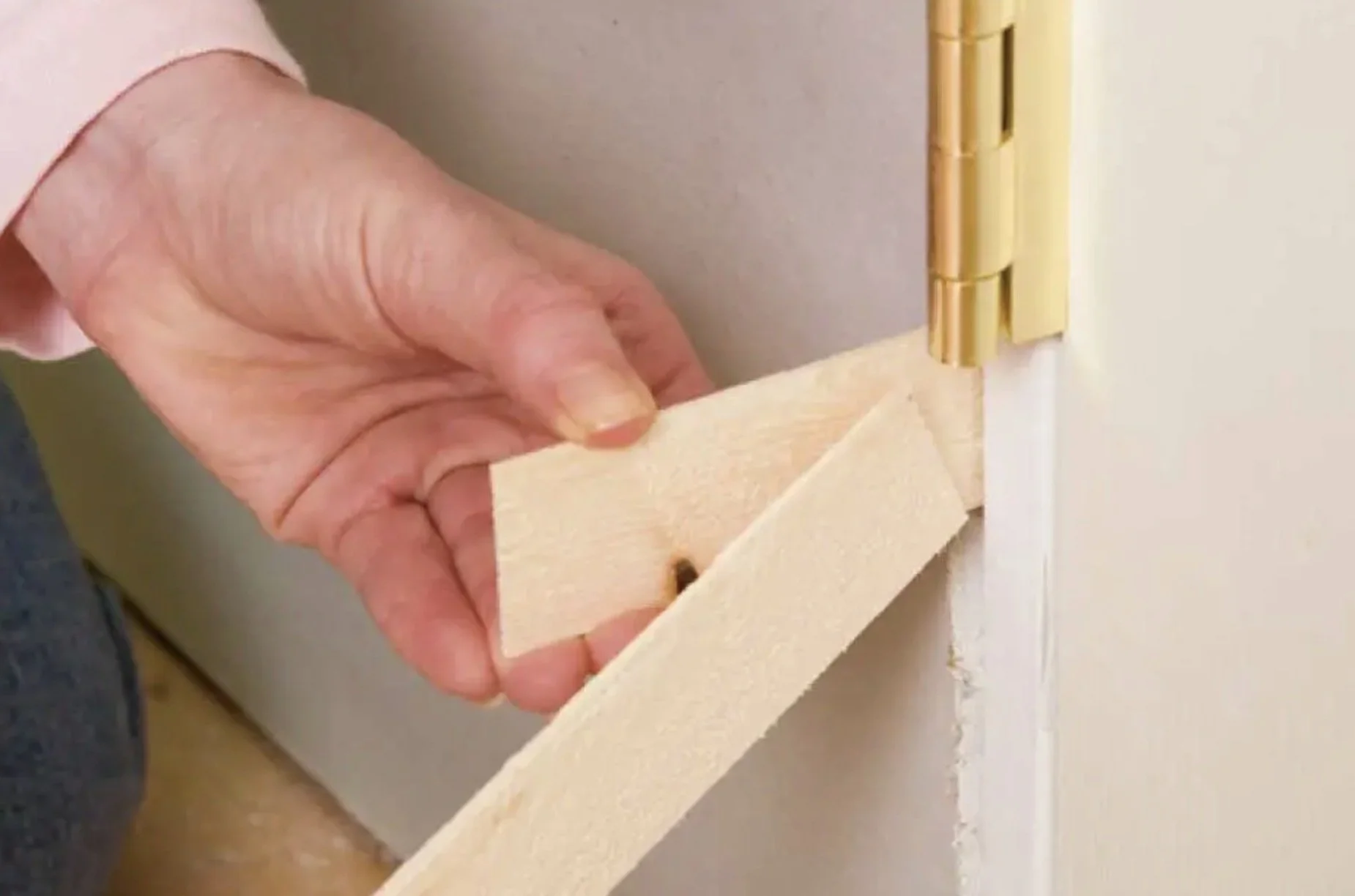
We don't just shove a window into the hole. We use a precise shimming system that squares the window independently of the house frame. We anchor the unit in a way that allows for minor structural flex without transferring all that stress to the glass.
2. Rigidity Matters
This is why we often recommend Fiberglass or Wood Clad windows for homes with foundation issues. Vinyl is flexible, which is good, but if a heavy wall settles on a cheap vinyl frame, it will warp. Our structural-grade frames resist crushing, keeping the sash operational even when the wall moves.
3. Adjustable Hardware
For our Patio and Entry Doors, we use heavy-duty, multi-point adjustable hinges.
• The Benefit: If your foundation moves next summer and the door starts to catch, you don't need a saw. You (or our service team) can simply adjust the hinges with an Allen wrench to realign the door in minutes.
Don't Force It
If you have to shoulder-check your door to open it, you are damaging the lock mechanism and the weatherstripping.
Whether you need a structural adjustment or a full replacement with sturdier frames, Bridgewood Exteriors has the expertise to square up your home.
Is your home showing signs of the "Texas Shift"?
Call Today and Speak to a Live Expert: 214-380-9628 or [Schedule a Free Inspection]