
Don’t Let Foggy Windows Lead to Mold and Major Damage – Act Before It’s Expensive

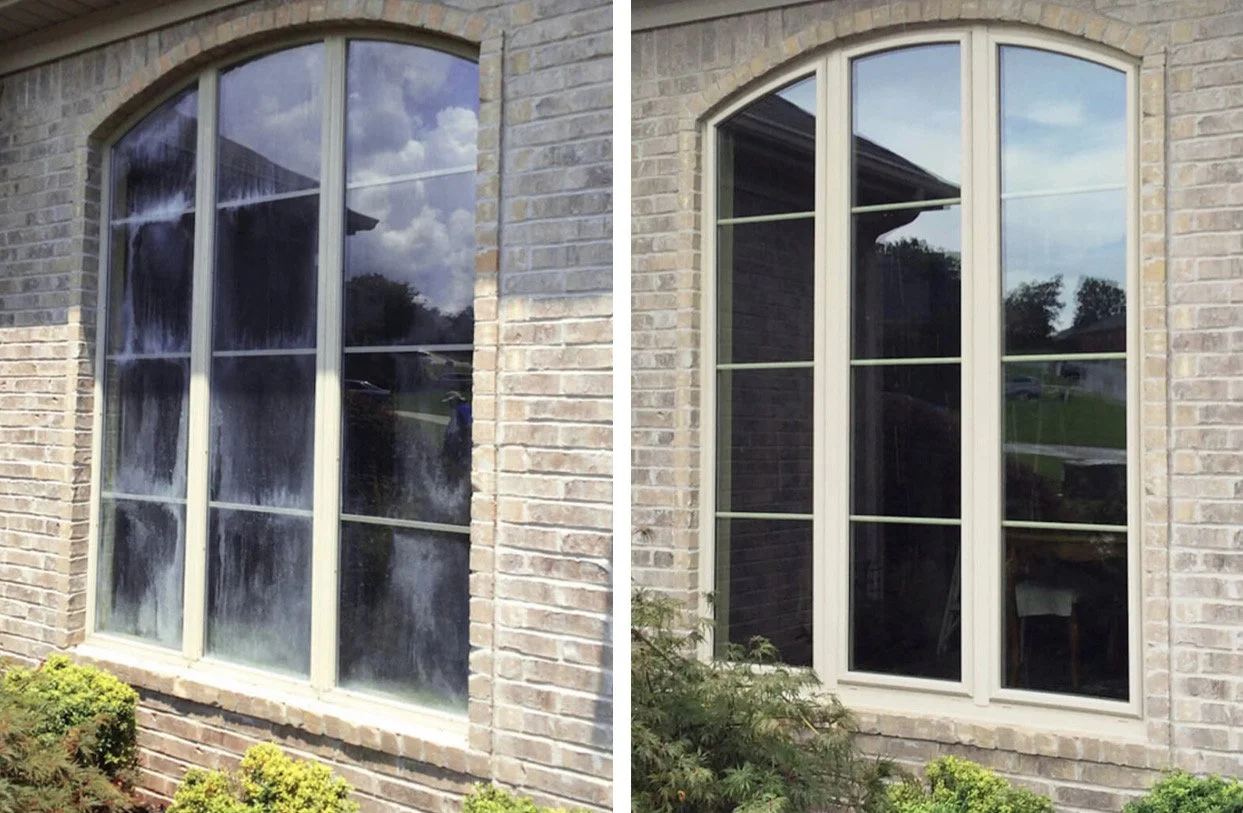
You wake up, pull back the curtains to let the North Texas sun in, and there it is: that annoying, milky haze between your glass panes.
Most DFW homeowners look at a foggy window and think, "Ugh, that looks terrible. I'll fix it someday when I have the extra cash."
We need to be honest with you: "Someday" is a dangerous timeline.
At Bridgewood Exteriors, we have seen hundreds of homes in Plano, Rockwall, and Dallas where a simple "foggy window" turned into a massive remediation project involving carpenters and mold specialists.
That condensation isn't just blocking your view it’s a neon sign telling you that your home’s defense system has been breached. Here is why you need to act before "ugly" becomes "expensive."
The Science: It’s Not Just "Fog"
To understand the danger, you have to understand what is happening inside the glass.
Modern energy-efficient windows are Double Pane Units (IGUs - Insulated Glass Units). They consist of two pieces of glass sealed together with an air gap in the middle, often filled with Argon gas.
When that seal fails—usually due to the extreme expansion and contraction of the Texas summer/winter cycle—two things happen:
1. The Gas Escapes: Your energy efficiency vanishes instantly.
2. Moisture Enters: Humidity creeps into that empty space.
The fog you see is condensation. It means water is trapped inside your window unit. And where there is trapped water, trouble follows.
The Hidden Danger: From Fog to Rot
Water is persistent. It doesn't just sit there; it travels.
When the seal fails completely, that moisture eventually finds its way into the glazing bead (the strip holding the glass) and eventually into the window frame itself.
If you have wood windows or vinyl windows with wood jamb extensions this is catastrophic.
1. Structural Wood Rot
We often pull out old, foggy windows only to find that the framing studs underneath have turned to mush. The water slowly dripped down, unnoticed, for years. What would have been a simple window swap now requires a framing carpenter to rebuild your wall.
2. The Mold Factor
This is the one that impacts your family’s health. The dark, damp environment inside a failed window sash is the perfect breeding ground for mold, including hazardous black mold (Stachybotrys).
As the window heats up in the sun, it acts like a greenhouse for these spores. If the seal is broken on the inside, those spores can be released into your home's air, aggravating allergies and respiratory issues.
The "Wait and See" Cost Calculator
We get it. Window replacement isn't a fun purchase like a new TV. But waiting creates a snowball effect on your wallet.
• The Cost of Action Now: Replacing a failed window or sash. (Manageable).
• The Cost of Waiting 2 Years: Replacing the window + repairing the rotted sill and trim. (Double the cost).
• The Cost of Waiting 5 Years: Replacing the window + structural framing repair + mold remediation + drywall repair. (Exponentially expensive).
The rule of thumb in home maintenance: Water damage never gets cheaper to fix. It only gets more expensive.
Save Your View (and Your Wallet)
If you have a window that looks like it’s "sweating" on the inside, do not ignore it. It is not just a cosmetic annoyance; it is a structural liability.
You don't necessarily need to replace every window in your house. At Bridgewood Exteriors, we can help you identify which units have failed seals and which ones are still performing, offering you a targeted solution that protects your home without blowing your budget.
Don't let a small leak turn into a big bill.
[Contact Bridgewood Exteriors today for a free inspection of your foggy windows.] or Call 214-380-9628