
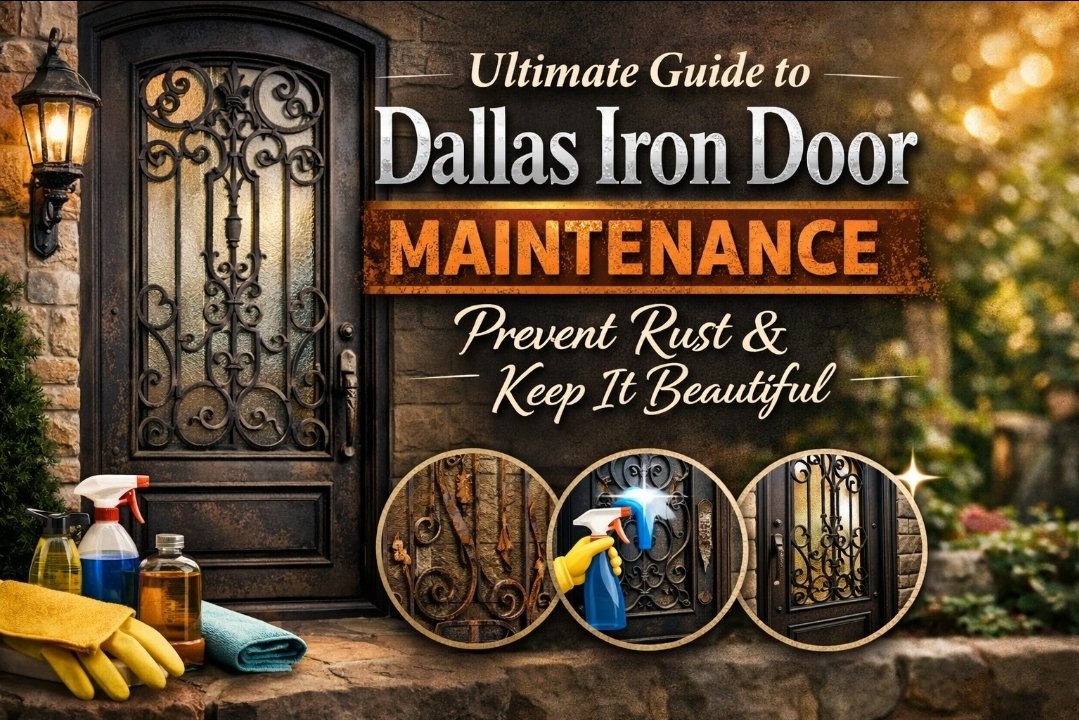
Ultimate Guide to Dallas Iron Door Maintenance: Prevent Rust & Keep It Beautiful
An iron entry door is more than just a way to enter your home; it’s a statement piece. In the Dallas-Fort Worth area, a custom iron door adds immediate curb appeal, security, and significant value to your property. It is an investment in elegance.
However, like any high-quality investment from a luxury car to a fine watch an iron door requires care to maintain its value and appearance.
Many DFW homeowners assume iron doors are "set it and forget it." The reality is that while iron is incredibly durable, it is not invincible. The unique climate of North Texas can wage war on your beautiful entryway if it isn't properly protected.
At Bridgewood Exteriors, we don't just install beautiful doors; we want them to last a lifetime. This is your ultimate guide to Dallas iron door maintenance, battling rust, and keeping your entryway the envy of the neighborhood.
The "Dallas Factor": Why Your Door Needs Special Care
If you lived in a mild, dry climate, maintaining an iron door would be practically effortless. But we live in Dallas.
Our environment presents a unique set of challenges for wrought iron:
1. Intense UV Exposure: The blistering Texas summer sun beats down on exterior surfaces, which can eventually dull the finish and break down protective clear coats.
2. High Humidity & Rapid Changes: DFW is notorious for swinging from dry heat to intense humidity rapidly. This moisture in the air is the primary catalyst for rust.
3. Severe Weather: Spring hail and heavy thunderstorms can create microscopic chips in the paint or powder coating. These tiny breaches are exactly where rust begins its attack.
Ignoring maintenance in our climate isn't just an aesthetic issue; it can lead to structural damage over time.
Your Quarterly Iron Door Cleaning Routine (The DIY Approach)
For most homeowners, a simple cleaning routine performed every 3 to 4 months is enough to keep the door looking pristine and prevent major issues.
What You Need:
• A bucket of warm water
• A gentle, non-abrasive liquid soap (like Dawn dish soap or baby shampoo)
• A soft sponge or microfiber cloth
• Crucially: Several dry, clean microfiber towels
Step 1: The Gentle Wash
Mix a small amount of soap into the warm water. Using your soft sponge, gently wash the entire surface of the door—both interior and exterior. Pay close attention to crevices, scrollwork, and decorative elements where dust and pollen love to hide.
• Marketing Tip: Never use harsh chemicals, abrasive scrubbers, or power washers on your iron door. These can strip the protective finish Bridgewood Exteriors worked hard to apply.
Step 2: The Rinse
Using a clean sponge and plain fresh water, rinse away all soap residue. Soap scum left behind can actually attract dirt later on.
Step 3: The Most Important Part - DRY IT COMPLETELY
This is where many Dallas homeowners fail. Iron’s biggest enemy is standing water. Do not let the door air dry. Use your dry microfiber towels to completely hand-dry every inch of the door, including the intricate designs. If water is left trapped in the crevices, rust will form.
Step 4: Don't Forget the Glass
Most modern iron doors feature hinged glass panels for easy cleaning. Open these up and clean the glass inside and out with a standard glass cleaner to make the whole entryway sparkle.
The Ultimate Protection: Waxing Your Iron Door
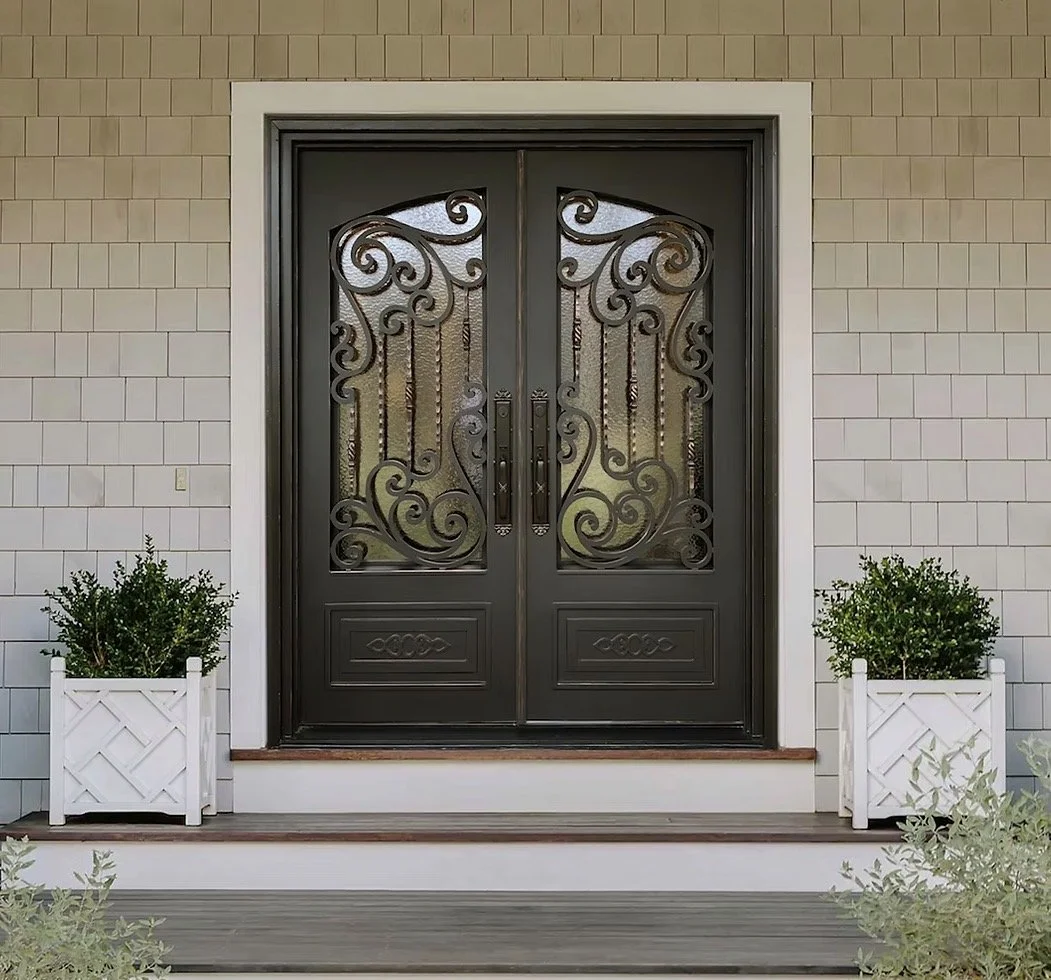
Cleaning gets rid of dirt, but it doesn’t stop rust. To truly protect an iron door in the Dallas climate, you need a barrier layer.
Just like you wax your car to protect the paint from the elements, you should wax your iron door.
The Process:
Once your door is completely clean and dry (Step 3 above), apply a high-quality, non-abrasive wax. Many experts recommend a high-grade automotive Carnauba wax or a marine-grade wax designed for boats.
Apply a thin layer according to the package directions, let it haze over, and buff it off with a clean microfiber cloth. This wax layer repels water, adds UV protection, and gives the iron a rich, deep luster.
Battling the Beast: How to Handle Rust Spots
Despite your best efforts, you might occasionally spot a tiny speck of reddish-brown rust, usually near a hinge or in a deep crevice where water sat too long.
Don't panic, but act fast. Rust is like a cancer for iron; it will spread if ignored.
For minor surface rust:
1. Gently scrape the rust patch with a small wire brush or sandpaper just enough to remove the flaky oxidation.
2. Clean the area thoroughly and let it dry.
3. Apply a rust-inhibiting primer to the spot.
4. Use an exact-match touch-up paint (often provided by your door manufacturer) to cover the area.
If you are unsure about matching the finish, or if the rust seems deeper than just the surface, stop. Trying to fix deep rust yourself can often make the finish look worse.
Keep your entryway beautiful and secure. If you have questions about maintaining your current door, or if you're ready to upgrade your Dallas home’s curb appeal, [contact Bridgewood Exteriors today for a consultation!]